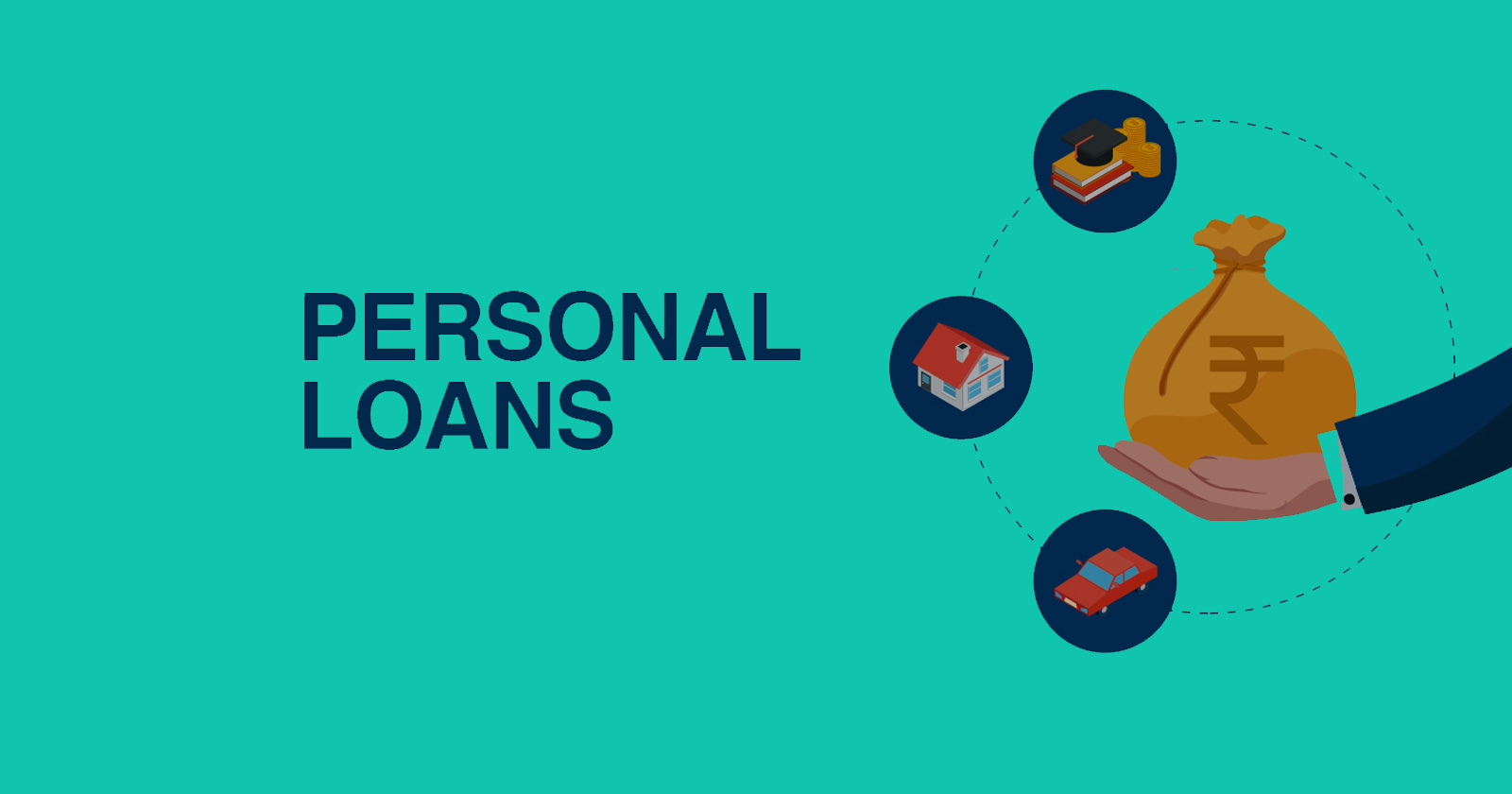
What is a Personal Loan?
A personal loan is a type of unsecured loan that individuals can obtain from financial institutions such as banks, credit unions, or online lenders. The primary purpose of a personal loan is to provide borrowers with funds that can be utilized for various personal expenses, which may include consolidating debt, funding home renovations, or covering significant life events like weddings or vacations.
One of the key features of personal loans is their flexibility in terms of use. Unlike auto loans or mortgages, which are secured by collateral, personal loans do not require any asset as security, making them accessible to a wider range of borrowers. This lack of collateral also means that the interest rates for personal loans can vary and are influenced by the borrower’s creditworthiness.
Personal loans typically come with fixed loan amounts, which can range from a few thousand dollars to tens of thousands, depending on the lender’s policies and the applicant’s credit standing. Repayment terms can vary widely, generally spanning from one to seven years. This structured repayment process helps borrowers manage their finances by providing a clear timeline for when the loan should be fully repaid.
Additionally, personal loans differentiate themselves from credit cards, which often entail revolving credit with variable interest rates. While personal loans offer a set interest rate over a defined period, credit cards can lead to high-interest charges if balances are not paid in full each month. In summary, a personal loan serves as a practical solution for individuals seeking immediate access to funds without the need for collateral, with popular applications including debt consolidation and unexpected expenses.
Understanding Origination Fees
Origination fees are charges that lenders impose for processing a loan application. Typically expressed as a percentage of the total loan amount, these fees can range from 0.5% to 5% depending on the lender and the borrower’s creditworthiness. They are designed to compensate the lender for the administrative tasks and resources involved in evaluating and approving the loan, including credit checks, underwriting, and processing documentation.
When assessing the total cost of borrowing, it is crucial to understand how origination fees can impact the overall expense of a loan. For instance, if a borrower takes out a personal loan of $10,000 with a 3% origination fee, they would pay an additional $300 upfront. This charge is generally deducted from the loan proceeds, which means the borrower will receive $9,700 instead of the full loan amount. Therefore, while the monthly payment may seem manageable based on the principal, the true cost of the loan is often higher when origination fees are included.
Moreover, lenders typically provide a breakdown of all fees associated with a loan, including origination fees, in the loan estimate documentation. Borrowers should scrutinize these details carefully to evaluate whether they are receiving a competitive offer. Additionally, some lenders may advertise loans with no origination fees to attract more borrowers, making it essential for consumers to compare different offers comprehensively. Overall, understanding origination fees and their implications can significantly influence a borrower’s decision-making process regarding personal loans.
Benefits of Personal Loans with No Origination Fees
Personal loans with no origination fees present a range of advantages that can significantly enhance the borrowing experience for individuals seeking financial assistance. One of the most prominent benefits is the cost savings associated with these loans. Traditional personal loans often include origination fees, which can add anywhere from 1% to 5% to the total amount borrowed. By opting for a loan without these fees, borrowers can retain more of their funds, allowing for a more efficient allocation of money toward their specific needs.
Moreover, personal loans without origination fees generally make it easier for borrowers to access the loan amounts they require. This is particularly advantageous for individuals who may be looking to finance smaller projects or needs, as they do not have to contend with additional costs that eat into their borrowing capability. Financial flexibility is a key motivator for many borrowers, and the elimination of origination fees can empower individuals to take out the exact amount they need without unnecessary financial burden.
The simplified borrowing process is yet another notable benefit. Personal loans with no origination fees are often accompanied by streamlined application procedures, which enhance the overall efficiency of obtaining a loan. Lenders may prioritize transparency and clarity in communication about loan terms, making it easier for borrowers to understand their commitments. This straightforward approach not only saves time in processing applications but also reduces the complexities associated with hidden fees that could arise in other loan options.
In essence, choosing personal loans that do not charge origination fees can lead to significant financial benefits, greater accessibility, and a more manageable borrowing process, making them a wise choice for many borrowers.
Finding Personal Loans with No Origination Fees
For borrowers seeking financial assistance without the burden of additional costs, identifying personal loans with no origination fees is essential. Lenders often charge these fees as part of the loan initiation process, which can significantly increase the overall expense of borrowing. However, with diligent research and careful consideration, finding a suitable lender offering such loans is achievable.
One effective strategy is to utilize online resources dedicated to personal loan comparisons. Various financial websites and platforms aggregate loan options from multiple lenders, allowing borrowers to filter results based on specific criteria, including fees. By using online comparison tools, consumers can efficiently identify lenders that provide personal loans with no origination fees, simplifying the decision-making process.
In addition to online lenders, traditional banks and credit unions are also viable options. Many credit unions focus on serving their members and may offer personal loans without origination fees as a member benefit. It is advisable for prospective borrowers to explore eligibility for membership at local credit unions, as they often provide competitive interest rates and favorable terms compared to mainstream banks.
Furthermore, potential borrowers should take the time to review the terms and conditions associated with each loan offer. Even if a loan appears appealing at first glance due to the absence of origination fees, it is crucial to examine other factors such as interest rates, repayment terms, and any additional fees that may apply. Comprehensive analysis will help avoid any surprises later on.
Finally, seeking recommendations from friends, family, or financial advisors can yield valuable insights into trustworthy lenders. Personal testimonials can guide borrowers toward established institutions that prioritize customer satisfaction and transparency in their lending practices.
Comparing Lenders: What to Consider Beyond Origination Fees
When considering personal loans with no origination fees, it is essential to look beyond this initial cost-saving feature. While the absence of origination fees can reduce the upfront expense associated with borrowing, numerous other factors impact the overall loan experience and should be critically evaluated.
First, interest rates play a crucial role in determining the total cost of the loan. A low or no origination fee may not compensate for a higher interest rate over the loan’s duration. It’s prudent to compare the annual percentage rates (APRs) across various lenders, as this figure integrates both the interest rate and any additional fees into a single percentage. Understanding the APR will provide a clearer picture of what each loan will ultimately cost over its lifetime.
Another vital aspect to consider is the repayment terms associated with the loan. Lenders may offer different repayment periods that can significantly influence your monthly payment and the total interest paid. Shorter terms typically mean higher monthly payments but less interest accrued in the long run, while extended terms can lower monthly obligations at the cost of paying more interest over time. Evaluating which repayment plan aligns best with your budget and financial goals is crucial.
Customer service quality is also a significant factor when comparing lenders. Efficient communication and support can enhance the borrowing experience, especially during repayment. Review customer testimonials and ratings to gauge satisfaction levels and assess how well lenders address customer concerns.
Lastly, stay alert for other associated fees, such as late payment fees or maintenance fees, which could impact the overall cost of borrowing. Comprehensive research across these criteria will enable you to make an informed decision when selecting a lender for a personal loan with no origination fees. This thorough comparison can ensure a financially sound decision that aligns with your specific financial situation.
Risks and Considerations of No Origination Fee Loans
While no origination fee loans may provide immediate savings, borrowers should be aware of several potential risks and considerations that come with these types of loans. One significant concern is that lenders may offset the absence of origination fees by offering higher interest rates. This means that, although borrowers initially avoid upfront costs, they might end up paying more in interest over the life of the loan. Higher interest rates can lead borrowers to pay substantially more money in total, which could negate the benefits of avoiding origination fees.
Moreover, it’s important to consider the terms and conditions associated with these loans. Some lenders may introduce hidden fees that are not immediately obvious at the outset. These can include underwriting fees, administrative charges, or closing costs, which may only become apparent later in the loan process. Therefore, prospective borrowers should conduct thorough research and read the fine print of loan agreements carefully to fully understand any additional costs that may arise.
Another risk involves the potential for predatory lending practices. In some cases, lenders may market no origination fee loans to attract borrowers but could impose other unfavorable terms, such as penalties for early repayment or strict repayment schedules. Borrowers must remain vigilant and ensure they are not drawn into an unfavorable agreement, solely based on the lure of no origination fees.
In summary, while no origination fee loans can present an attractive opportunity for personal financing, it is crucial for borrowers to diligently consider the associated risks. Higher interest rates and hidden fees could diminish the advantages of these loans, making it essential to evaluate all aspects thoroughly before making a decision.
How to Apply for a Personal Loan with No Origination Fee
Applying for a personal loan with no origination fee involves several steps that can streamline the process and improve the chances of approval. The first step in this process is to assess your financial situation. Reviewing your credit score, income level, and existing debt will help determine your eligibility for a loan. It is recommended to aim for a good credit score, typically 690 or above, as this may increase your chances of securing favorable terms.
Once you are clear about your financial health, the next step is to research different lenders. Look for institutions that specifically advertise personal loans without origination fees. Many online lenders offer competitive rates and terms, so comparing multiple options can yield better results. Evaluate each lender’s requirements and assess which ones align with your situation, while ensuring you gather any necessary documentation they require.
The documentation needed for a personal loan application generally includes proof of identity, income statements, and existing debt obligations. Typical documents are government-issued ID, pay stubs, or tax returns. Collecting these documents beforehand can expedite the application process and make it easier for lenders to assess your eligibility.
To improve your chances of approval, it is advisable to apply only when you feel confident about your financial standing and documentation. The submission of your application should be thorough, and it is essential to double-check for any errors or missing information before sending it in. A well-prepared application reflects positively on your reliability as a borrower. Additionally, consider seeking pre-approval, which can give you insights into loan amounts and interest rates you may qualify for, without affecting your credit score significantly.
Real-Life Scenarios: When Personal Loans with No Origination Fees Work Best
Personal loans with no origination fees can be particularly advantageous in various financial scenarios, offering borrowers a strategic means to address their financial needs without incurring additional upfront costs. One prime situation where these loans are beneficial is debt consolidation. By utilizing a personal loan with no origination fee, individuals can consolidate multiple high-interest debts into a single lower-interest loan. This not only aids in simplifying monthly payments but also can result in significant interest savings over time.
Another scenario where personal loans with no origination fees prove helpful is in financing unexpected expenses. Life can be unpredictable, often presenting sudden costs such as medical emergencies or urgent home repairs. In these instances, having access to a personal loan without the burden of origination fees can provide immediate relief, enabling individuals to cover vital expenses without further financial strain.
Additionally, these loans are also applicable for making larger purchases that align with one’s financial goals. For example, individuals may wish to invest in home improvements that could increase property value or pay for educational courses that enhance career potential. Using a no origination fee personal loan can help facilitate these investments without the extra costs typically associated with traditional lending options.
In summary, personal loans with no origination fees can be instrumental in various scenarios, including debt consolidation, unanticipated expenses, and significant purchases. Their lack of upfront fees often makes them a more appealing option for borrowers looking to manage their finances efficiently.
Conclusion and Final Thoughts on Personal Loans with No Origination Fees
In evaluating personal loans with no origination fees, it becomes evident that understanding the intricacies of these financial products is paramount for anyone considering them. Throughout this article, we have explored the definition and benefits of personal loans without origination fees, providing a comprehensive overview of how they can serve as a valuable financial resource. Such loans can reduce the overall costs associated with borrowing, making them an appealing option for borrowers seeking to minimize their expenses.
Additionally, the significance of conducting thorough research before selecting a loan cannot be overstated. It is crucial for individuals to analyze the terms and conditions of various lenders, compare interest rates, and assess repayment options. An informed decision will ultimately lead to better financial outcomes, aiding borrowers in managing their obligations more effectively.
Moreover, personal loans can play a pivotal role in addressing short-term financial needs, such as consolidating debt, financing a major purchase, or covering unexpected expenses. However, it is essential to proceed with caution, ensuring that monthly repayments align with one’s budget and financial goals.
As you consider the possibility of obtaining a personal loan, take the time to assess your financial situation judiciously. Evaluate the necessity of the loan, the urgency of your financial needs, and how the absence of origination fees fits into your overall borrowing strategy. In conclusion, understanding personal loans with no origination fees is a vital step towards making informed financial decisions. We encourage our readers to take charge of their financial journeys by educating themselves about their options, thereby ensuring that they can make prudent choices that align with their needs and long-term objectives.
About the Author